Missed Appointments & No-Shows
- Globally, missed appointment rates in healthcare can be up to ~42% without reminders.
- Automated reminders can cut no-show rates by 30–60% across medical practices.
- Typical no-show rates range from ~5.5% to 50% depending on specialty and setting.
- SMS reminders alone have been shown to reduce no-shows by ~38–40%.
Attendance & Efficiency Improvements
- Patient reminders reduce missed appointments by an average of ~41%.
- They can increase clinic attendance by ~34%.
- Automated systems improve scheduling and patient engagement by allowing confirmations, rescheduling, and cancellations via text or call.
- SMS reminders have high engagement with up to 98% open rates within minutes.
Financial Benefits
- No-shows cost the healthcare industry ~$150 billion per year in the U.S. alone.
- Each missed medical visit can cost providers about $200 in lost revenue.
- Reducing no-shows from 23% to 5% can recover tens of thousands of dollars yearly for a multi-provider practice.
- Automated reminders save staff time – one estimate suggests ~$5,000 saved per employee annually by reducing manual calls.
Patient Engagement and Care Outcomes
- Around 45% of patients miss appointments because they simply forget or are not notified.
- Automated reminders help improve patient engagement and care adherence, especially for chronic conditions where follow-ups are critical.
- Better appointment attendance can mean better continuity of care and reduced long-term health complications.
Healthcare providers are busy. They see many patients every day. But missed appointments are a big problem. When patients don’t show up, it wastes time and money. It also delays treatment.
To fix this, many providers now use appointment reminder software. This tool sends automatic reminders to patients. It helps them remember their appointments. It also lets them cancel or reschedule easily.
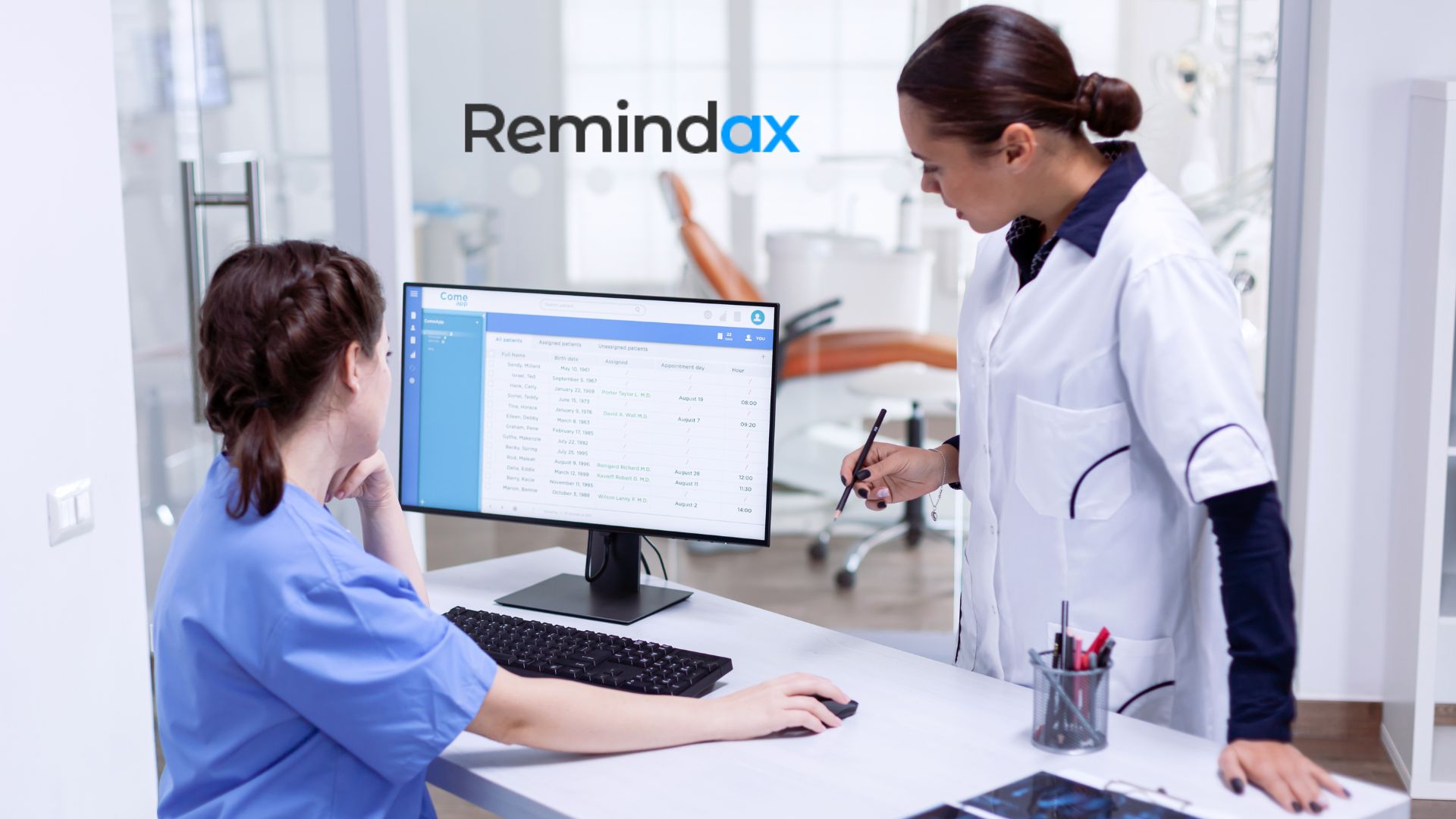
One tool many clinics use is Remindax. It helps doctors and staff send reminders through text, email, or phone calls.
The Importance of Timely Appointments in Healthcare
Appointments are important for patient care. Doctors use them to check health problems. They also use them to give treatment or advice. If a patient misses an appointment, they may get worse.
There are many reasons why people miss appointments. Some forget. Some get busy. Others do not understand the date or time. Some don’t have transport. While doctors can’t fix all these problems, they can improve communication.
Sending reminders is a simple way to help patients remember. It keeps the clinic running smoothly and helps patients stay on track.
Read Also, Due Date Reminder Software: Your New Best Friend for Time Management!
What Is Appointment Reminder Software?
Appointment reminder software is a digital tool. It sends messages to patients before their visit. The messages can go by:
The software often works with a clinic’s existing system. This could be the Electronic Health Record (EHR) or Practice Management System (PMS). It pulls the appointment time and patient info, then sends reminders.
It also keeps patient information safe. It follows rules like HIPAA to protect privacy.
For example, Remindax can send reminders in different ways. Clinics can choose how they want to contact their patients. They can also set the timing and message style.
Read Also, Warranty Management Software: Everything You Need to Know
Benefits of Appointment Reminder Software for Healthcare Providers
1. Reduction in No-Show Rates
The biggest benefit is fewer missed appointments. Patients who get reminders are more likely to show up. Some clinics see no-shows drop by 25% or more.
2. Improved Operational Efficiency
When staff don’t need to call each patient, they save time. They can focus on other work instead. It also means fewer last-minute schedule gaps.
3. Enhanced Patient Satisfaction
Patients like reminders. It shows the clinic cares. Some prefer text, some prefer calls. With this software, patients can choose what works best for them.
4. Better Revenue Management
Every no-show means lost income. When patients show up, the clinic earns money. This helps the business stay healthy too.
5. Customization and Flexibility
Reminder messages can be simple or detailed. For example, a dentist might remind a patient to brush before the visit. A surgeon might include fasting instructions. Tools like Remindax let clinics create messages that match each patient’s needs.
Read Also, Top 7 Expiration Reminder Softwares to Get Due Date Notifications on Time
How Different Healthcare Providers Use Reminder Software
Primary Care Providers
Family doctors and general clinics use reminders for check-ups and routine care. They also help manage chronic illness visits.
Specialists
Specialist doctors like dermatologists or cardiologists often have longer or more complex visits. Reminders help reduce no-shows and prepare the patient ahead of time.
Dentists
Dental offices use reminders to reduce missed cleanings and check-ups. Many also remind patients of cosmetic or surgical appointments.
Mental Health Professionals
Therapists and psychiatrists use reminders to keep patients engaged. These appointments are very personal. A simple reminder can help patients stay consistent.
Hospitals and Multi-Location Networks
Big hospital systems have thousands of appointments. Reminder software helps them keep everything in order. Some hospitals use Remindax because it works for both small and large clinics. It has a dashboard that helps manage many reminders at once.
Read Also, What Is Warranty Tracking Software and How Does It Work?
Features Healthcare Providers Look For
When choosing software, clinics look for important features. These include:
- Keeping patient data private (HIPAA compliant)
- Sending messages by text, email, or call
- Working with their current systems like EHR
- Writing messages in different languages
- Letting patients reply or confirm easily
- Showing reports to track reminder success
One clinic used Remindax to send reminders in English and Spanish. More patients showed up on time. They also liked the friendly tone of the messages.
Read Also, What Is Contract Reminder Software and Why Is It Important?
Overcoming Implementation Barriers
Some clinics worry about using new tools. Staff may feel unsure. Patients may not understand at first. But it gets easier with support and training.
Here’s how providers start using reminder software:
- Teach staff step by step
- Tell patients about reminders and how to reply
- Start with one department, then expand
- Use tools that are easy to learn, like Remindax. It offers training and customer help during setup.
Read Also, What Is Healthcare Compliance Software and Its Benefits
Future Trends in Appointment Reminders
Technology keeps improving. Soon, reminders will be even smarter.
- Some tools will learn when patients respond best.
- Others will use chatbots so patients can talk with the system.
- More clinics will use reminders for telehealth visits too.
- Systems like Remindax are already working on these upgrades.
These features will make patient care easier and faster.
Read Also, Warranty Management Software: Everything You Need to Know
Conclusion
Missed appointments are a big problem in healthcare. They cause delays, cost money, and hurt patient health. Appointment reminder software helps solve this.
It reminds patients of their visit. It gives them time to plan, confirm, or reschedule. This keeps the schedule full and care on track.
Whether it’s a small clinic or a large hospital, reminder tools help everyone. Providers using Remindax say it saves time and makes patients happy. It’s secure, simple, and smart.
In today’s world, reminder software is not just helpful, it’s essential.
Frequently Asked Questions
1. What Is Appointment Reminder Software In Healthcare?
It is a system that automatically reminds patients about their upcoming medical appointments through SMS, calls, email, or app notifications. It helps patients remember their visit date and time.
2. How Do Healthcare Providers Use This Software?
Clinics and hospitals use it to:
- Send reminders before appointments
- Allow patients to confirm or cancel visits
- Reschedule appointments automatically
- Reduce manual reminder calls by staff
3. Why Is Appointment Reminder Software Important?
Because many patients forget their appointments. Reminders help reduce no-shows, keep schedules full, and make sure patients get care on time.
4. Does It Improve Patient Experience?
Yes. Patients like reminders because they:
- Prevent forgetting appointments
- Make rescheduling easy
- Reduce waiting times
- Improve communication with the clinic
5. How Does It Help Healthcare Providers Financially?
Missed appointments cause revenue loss. Reminder software helps by:
- Filling more appointment slots
- Reducing wasted doctor time
- Lowering staff workload
- Improving clinic efficiency