
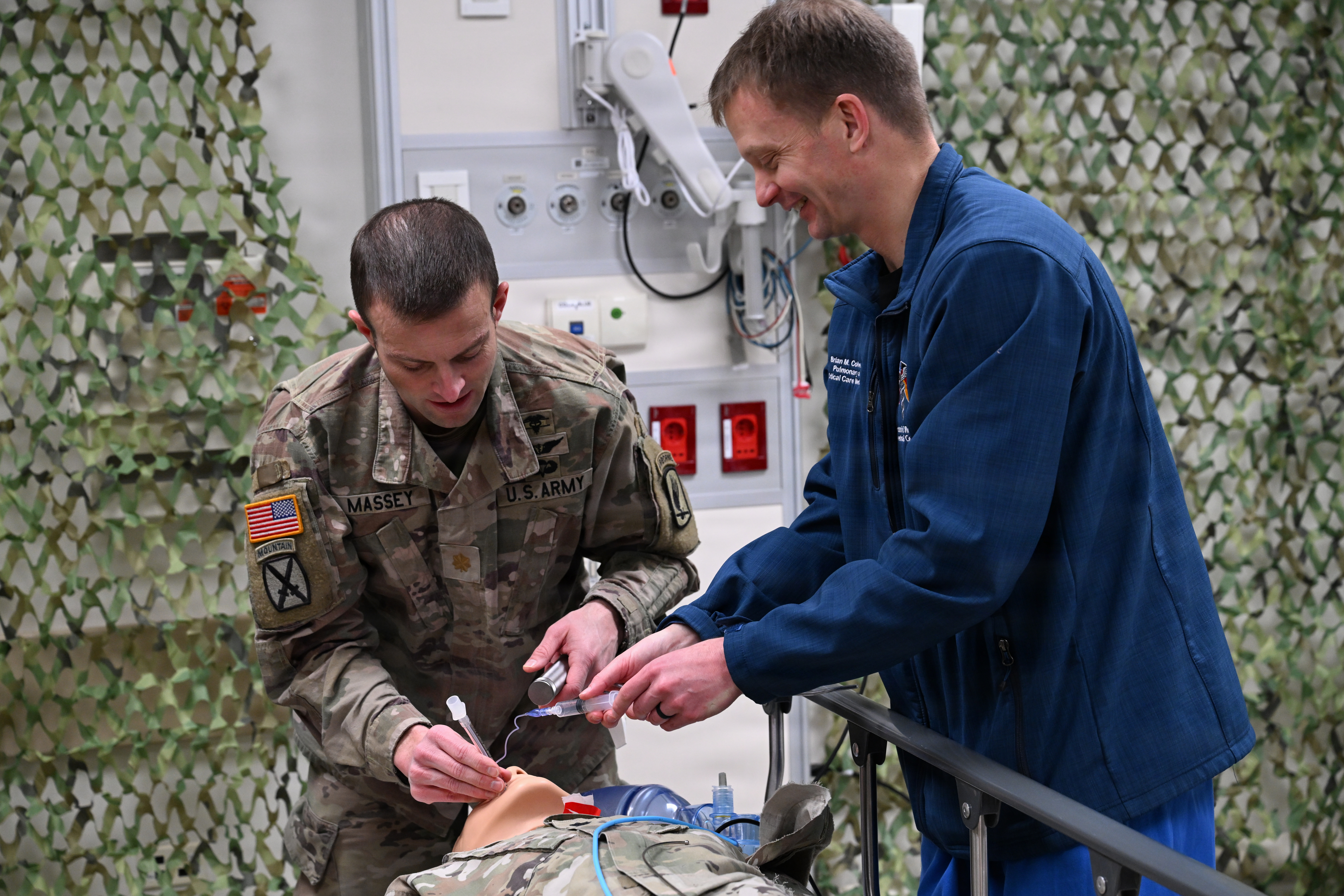
If you manage physician credentials, oversee trauma program compliance, or coordinate continuing medical education, keeping ATLS certifications current is one of your most important responsibilities. This guide explains what ATLS certification is, who requires it, why it matters for your organization, and how to make sure no expiration date ever catches you off guard.
What Is ATLS Certification
Advanced Trauma Life Support (ATLS) is a structured training program developed and maintained by the American College of Surgeons (ACS). The ATLS program equips physicians with a standardized, systematic approach to assessing and managing patients with life-threatening injuries during the critical first hour after injury — commonly known as the "golden hour."
The program provides a shared language and framework so that trauma teams from different institutions can work together seamlessly, without confusion or gaps in protocol.
ATLS was first introduced in 1980 following a tragic plane crash in Nebraska and has since been adopted in more than 80 countries worldwide, making it one of the most widely recognized trauma education standards in medicine.
What Does the ATLS Curriculum Cover
- •Initial assessment using the ABCDE approach (Airway, Breathing, Circulation, Disability, Exposure)
- •Hemorrhage management and shock resuscitation
- •Thoracic and abdominal trauma
- •Head injury and spinal cord trauma management
- •Musculoskeletal and orthopedic trauma
- •Pediatric trauma and special populations
- •Trauma in geriatric and obstetric patients
Who Needs ATLS Certification
ATLS certification is a formal requirement at ACS-verified trauma centers for all physicians on the trauma panel. However, many hospitals extend this expectation across additional specialties and roles. Below is a comprehensive breakdown:
| Role | ATLS Status | Notes |
|---|---|---|
| Trauma Surgeons | Required | Mandatory for all surgeons on the trauma call panel at ACS-verified centers |
| Emergency Medicine Physicians | Required | Required at ACS-verified Level I–IV trauma centers |
| General Surgeons | Required | Especially those who take trauma call or cover rural facilities |
| Neurosurgeons & Orthopedic Surgeons | Recommended | Often mandated by trauma center policy; required at many Level I centers |
| Anesthesiologists | Recommended | Required at some facilities, particularly those with high-volume trauma programs |
| EM & Surgery Residents | Required | Most residency programs mandate ATLS by PGY-1 or PGY-2 year |
| Rural & Critical Access Physicians | Recommended | Especially important where trauma transfers may be delayed or unavailable |
| Military & Flight Surgeons | Required | Standard deployment readiness requirement across military branches |
| Locum Tenens Physicians | Required | Must hold current ATLS before assignment at any trauma-verified facility |
Course Formats, Costs & Certification Validity
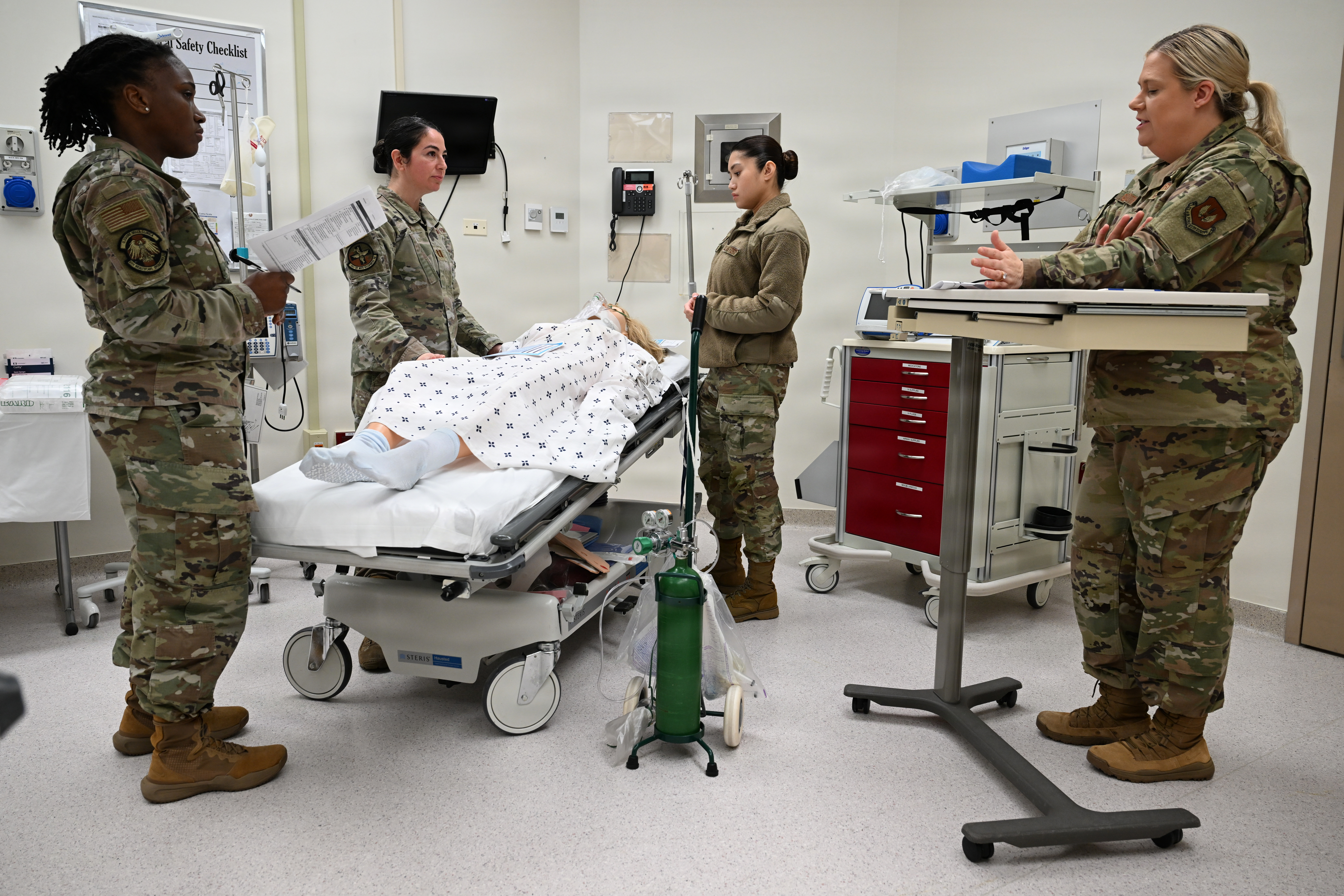
The ACS offers multiple ATLS course formats designed to accommodate varying schedules and institutional needs. Understanding each format helps credentialing teams plan renewals well in advance.
Available Course Formats
- •Student Course (In-Person): The traditional two-day format. Covers all ATLS modules with hands-on skills stations and written examination. Awards up to 16 AMA PRA Category 1 Credits.
- •Hybrid Course: Combines an online knowledge component with an in-person hands-on skills session. Designed for physicians who prefer self-paced learning before attending the practical day.
- •Refresher Course: A one-day renewal course for previously certified physicians. Focuses on updated guidelines, skills reinforcement, and current evidence in trauma care.
Certification Timeline and Renewal Windows
Course Completed — Certification Starts
Physician is fully ATLS-verified. The 4-year clock begins immediately on the date of successful course completion.
Best Practice: Begin Tracking Renewal
Remindax recommends initiating the renewal process 9 months early to allow course scheduling, registration, and logistics lead time.
ACS Renewal Window Opens
Physicians may begin taking the Refresher Course up to 6 months before their expiration date. Renewal resets the 4-year cycle from the original expiration date — not the renewal date.
Expiration Date — Verification Lapses
The physician is no longer ATLS-verified. They cannot represent themselves as current at this point.
Grace Period Ends
A 6-month grace period exists to complete a Refresher Course after expiration, but the physician is NOT verified during this window. After the grace period, a full Student Course may be required.
Course Fees
- •Student Course: $600–$900 (varies by institution and location)
- •Refresher Course: $400–$700
- •Many hospitals cover ATLS fees for employed physicians through CME budgets — check your facility's policy
Why ATLS Certification Matters for Your Organization
For hospitals and health systems, the ATLS program is far more than a checkbox on a physician's CV. It has direct implications for trauma center designation, regulatory standing, financial performance, and your institution's reputation for patient safety.
Trauma Center Verification and ACS Standards
The ACS Committee on Trauma requires that all physicians on the trauma panel at verified trauma centers maintain current ATLS status. If your facility is pursuing or maintaining designation as a Level I, II, III, or IV trauma center, a lapsed certification — even a single one — can generate citations during verification reviews. Widespread lapses can result in loss of trauma center designation, which affects patient transfers, trauma-specific reimbursements, and community trust.
Regulatory Compliance and Accreditation
State health departments and accrediting bodies such as The Joint Commission frequently reference ACS standards when evaluating trauma programs. An expired ATLS credential surfacing during a survey contributes to findings of non-compliance. Additionally, many states tie Medicaid trauma reimbursement rates to maintained trauma center verification — creating direct financial consequences for credential gaps.
Patient Safety and Quality of Care
ATLS training standardizes trauma assessment and resuscitation practices across providers regardless of where they trained. When certifications lapse, you lose the assurance that every physician on the trauma team is operating from the same evidence-based protocol. Research has consistently demonstrated that ATLS-trained providers make faster decisions and deliver better outcomes when treating patients with life-threatening injuries.
Medical Malpractice and Liability Risk
In medical malpractice cases involving trauma care, plaintiff attorneys routinely investigate whether the treating physician held a current ATLS credential at the time of injury. An expired credential does not automatically establish liability, but it creates an unfavorable impression that can shape jury perception and complicate settlement negotiations. Proactive tracking eliminates this risk entirely.
6 Common Scenarios Where ATLS Tracking Is Critical
Every organization that employs or contracts physicians who provide trauma care needs a reliable system for monitoring ATLS status. Here are the most common situations where tracking failures lead to compliance and operational problems.
Hospital Credentialing & Privileging Offices
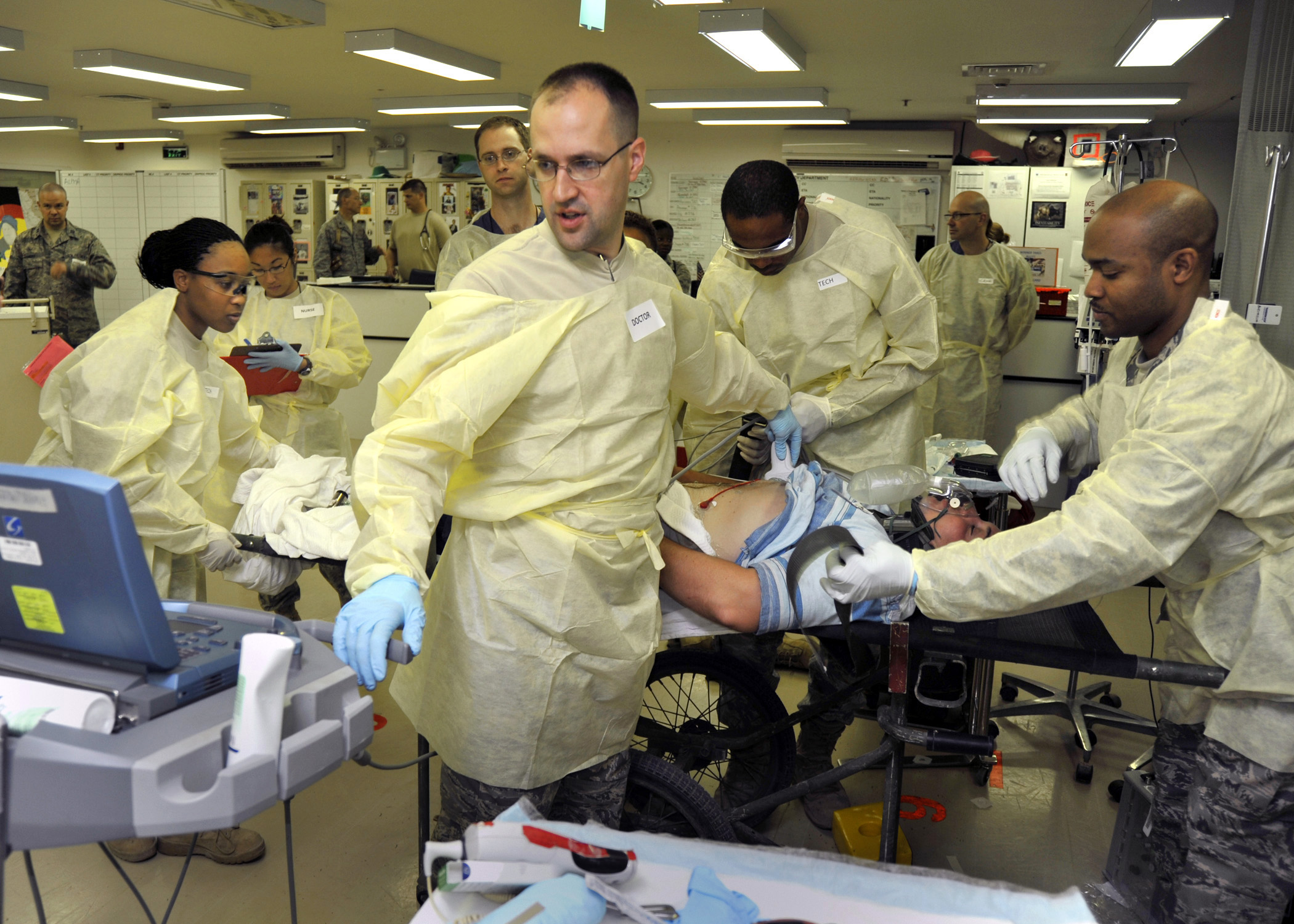
Medical staff offices must verify current ATLS status before granting or renewing trauma privileges. With dozens or hundreds of providers across different certification dates, spreadsheet-based tracking frequently misses expirations between re-credentialing cycles.
Trauma Program Managers Before ACS Verification
When an ACS review is approaching, the trauma program manager must compile documentation proving every required physician is ATLS-current. Gaps discovered weeks before the site visit may not leave enough time to schedule a Refresher Course.
Emergency Department Medical Directors
ED medical directors must ensure only credentialed providers are assigned to trauma activations. If an ATLS credential expires mid-month, the director needs immediate visibility to adjust the call schedule before an unverified physician covers a trauma case.
GME Program Coordinators
Surgery and EM residency programs require ATLS during PGY-1 or PGY-2 year. Coordinators tracking an entire resident cohort across multiple rotation sites must ensure each resident meets each site's credentialing requirements continuously.
Locum Tenens & Staffing Agencies
Agencies placing temporary physicians at trauma centers must confirm ATLS status before each assignment. A locum surgeon with a lapsed certification cannot be deployed, causing last-minute staffing gaps that are difficult and costly to fill.
Multi-Site Health Systems
Health systems with multiple campuses — including trauma-verified and non-verified facilities — must track which providers are credentialed at which sites, and whether their ATLS status meets each site's requirements simultaneously.
How ATLS Certification Benefits Your Organization, Staff & Patients
- ✓Maintains trauma center verification and eligibility for trauma transfers
- ✓Protects trauma-specific Medicaid reimbursement rates
- ✓Reduces malpractice liability exposure
- ✓Ensures audit-readiness for ACS reviews and Joint Commission surveys
- ✓Prevents last-minute call coverage gaps
- ✓Reinforces evidence-based trauma assessment skills
- ✓Provides AMA PRA Category 1 Credits for license renewal
- ✓Signals clinical commitment to trauma quality standards
- ✓Supports career advancement in trauma and emergency medicine
- ✓Keeps providers current with evolving ATLS guidelines
- ✓Every trauma team member follows the same evidence-based protocols
- ✓Faster, more consistent resuscitation decisions
- ✓Reduced preventable trauma mortality
- ✓Builds public confidence in the facility's trauma capability
- ✓Reliable regional trauma coverage for the community
How to Track ATLS Certification Expiration Dates
Given the four-year certification cycle and the six-month renewal window, ATLS tracking requires advance notice well before a provider's status lapses. Here is a comparison of the most common approaches and their real-world trade-offs.
| Feature | Spreadsheet / Calendar | Remindax (Automated) |
|---|---|---|
| Centralized credential storage | ✗ Manual entries, often siloed | ✓ Single source of truth |
| Automated tiered reminders | ✗ Requires manual calendar setup | ✓ 9 mo, 6 mo, 3 mo, 30-day alerts |
| Multi-recipient notifications | ✗ Must forward manually | ✓ Provider + coordinator + director |
| Audit-ready compliance reports | ✗ Manual compilation required | ✓ On-demand, exportable |
| Scales across large staff rosters | ✗ Error-prone at scale | ✓ Unlimited providers and locations |
| Real-time expiration visibility | ✗ Requires manual review | ✓ Dashboard with live status |
Best Practices for ATLS Expiration Tracking
- •Set the first reminder 9 months out — popular Refresher Course sessions fill up months in advance, especially at academic medical centers
- •Notify both the provider and the credentialing coordinator — dual notification ensures accountability even if one party misses an alert
- •Record the course completion date, expiration date, and certificate number — all three are needed for ACS verification documentation
- •Maintain a centralized record accessible to trauma program managers, credentialing staff, and department chairs — siloed tracking leads to gaps
- •Run quarterly compliance reports — regular audits catch any gaps before they compound into site-visit problems
- •Track grace period status separately — providers in the 6-month grace window are technically non-verified and should not be scheduled for trauma activations without documentation
Never Miss an ATLS Expiration Again
Remindax centralizes all your ATLS certification data, automates tiered reminders, and generates audit-ready compliance reports — so your trauma team is always verified.
Key Takeaways
- ✓ATLS certification is issued by the American College of Surgeons and is valid for four years from the date of course completion.
- ✓Physicians may renew within six months before expiration via a Refresher Course. A six-month grace period exists after expiration, but the provider is NOT considered ATLS-verified during that window.
- ✓ACS-verified trauma centers require current ATLS status for all physicians on the trauma panel. A single lapsed certification can trigger findings during verification reviews.
- ✓Credentialing offices, trauma program managers, ED directors, GME coordinators, locum agencies, and multi-site health systems all need reliable tracking systems.
- ✓Manual tracking via spreadsheets becomes error-prone and unreliable as provider counts grow — especially across multiple departments and locations.
- ✓Automated platforms like Remindax provide tiered reminders, centralized documentation, and on-demand compliance reports to eliminate lapses entirely.
- ✓Begin the renewal process at least nine months before expiration to allow adequate lead time for scheduling, registration, and course completion.
Frequently Asked Questions
Once your ATLS certification expires, you are no longer considered ATLS-verified by the American College of Surgeons. You have a six-month grace period to complete a Refresher Course, but you cannot represent yourself as ATLS-current during that window. At a verified trauma center, an expired certification may affect your trauma privileges and the facility's compliance standing with the ACS.
ATLS verification status is valid for four years from the date you successfully complete an ATLS Student Course, Hybrid Course, or Refresher Course. The renewal date is calculated from the original expiration date — not the date of renewal — when renewed within the permitted six-month window.
The ATLS Refresher Course typically takes one day to complete. However, popular sessions fill up months in advance, particularly at academic medical centers and high-volume training sites. Plan to register at least three to six months before your expiration date to secure a spot — and start tracking nine months out to be safe.
The ACS requires ATLS certification for all physicians on the trauma panel at ACS-verified trauma centers, including trauma surgeons and emergency medicine physicians. Many hospitals extend this requirement to orthopedic surgeons, neurosurgeons, and anesthesiologists who participate in trauma care. Residency programs in surgery and emergency medicine commonly require ATLS during PGY-1 or PGY-2 training.
An expired ATLS does not revoke your medical license, but it can affect your trauma privileges at a verified trauma center. Most facilities require current ATLS status as a condition of trauma call participation. During the six-month grace period, the physician is not considered verified and ideally should not be assigned to trauma activations at facilities where ATLS is required. After the grace period, a full Student Course may be necessary.
Costs vary by institution and geographic location. The initial ATLS Student Course typically ranges from $600 to $900, while the Refresher Course ranges from $400 to $700. Many hospitals cover ATLS course fees for their employed physicians as part of their continuing medical education support budget.
No — they are separate certifications with different scopes. ATLS (Advanced Trauma Life Support) is administered by the American College of Surgeons and focuses on the initial assessment and management of trauma patients. ACLS (Advanced Cardiac Life Support) is administered by the American Heart Association and addresses cardiac arrest, arrhythmias, and acute coronary syndromes. ATLS is valid for four years; ACLS is valid for two. Many emergency and surgical physicians hold both, but they serve different clinical purposes and have separate renewal cycles.
The ACS permits Refresher Course enrollment within six months of expiration. However, because course availability is limited and popular sessions fill up quickly, best practice is to begin planning at least nine months before expiration. Set automated reminders, identify available course dates, and register early to avoid last-minute scrambles that risk a gap in verification.
Remindax is an automated certification tracking platform that allows credentialing teams to centralize all ATLS certification records, configure tiered reminder notifications (at 9 months, 6 months, 3 months, and 30 days before expiration), notify both providers and coordinators automatically, and generate audit-ready compliance reports on demand. It eliminates the manual overhead of spreadsheet tracking and prevents lapses regardless of how large or distributed your provider roster is.
Conclusion: Give Your Trauma Team the Administrative Support They Deserve
ATLS certification is a foundational credential for any physician involved in trauma care. Its four-year renewal cycle provides a comfortable window — but that same length can create a false sense of security. Four years passes quickly, course availability is not always immediate, and the consequences of a lapsed certification range from personal inconvenience to institutional compliance risk and potential harm to patients.
The good news is that staying ahead of ATLS expiration dates does not have to be complicated. With a clear tracking system, well-timed automated reminders, and organizational commitment to proactive renewal planning, you can ensure that every provider on your trauma team remains current and fully verified.
Your trauma team is trained to act decisively in the most critical moments. Remindax gives them the administrative support they deserve — so that credentials never become an afterthought, and compliance is never in question.