
A TWIC card, or Transportation Worker Identification Credential, is required for many workers who need unescorted access to secure U.S. port, vessel, and maritime facility areas. This guide explains the core requirements, renewal timing, disqualifying offenses, and practical ways to keep every card current across your workforce.
1. What Is a TWIC Card?
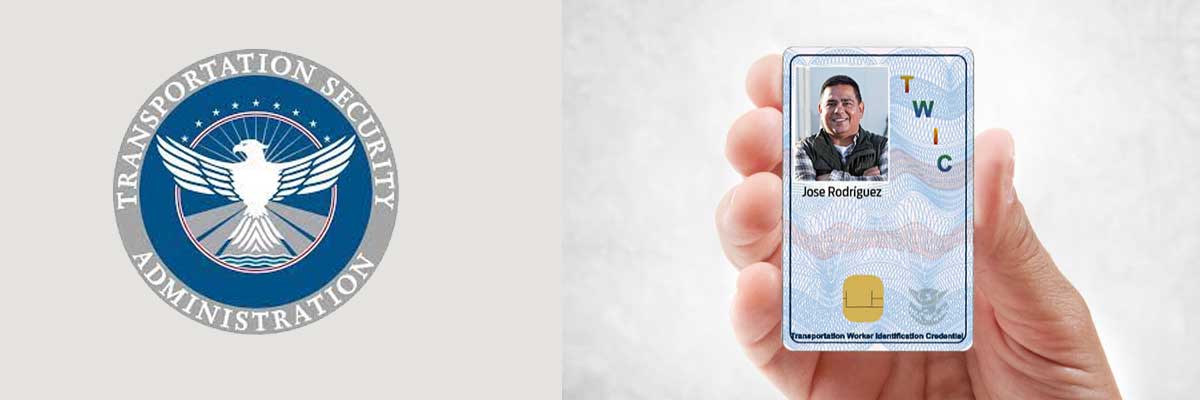
A TWIC card is a tamper-resistant identification card used by workers at ports and other maritime sites in the United States. Its full name is the Transportation Worker Identification Credential, and TWIC is simply the short form. The card is issued by the Transportation Security Administration with support from the U.S. Coast Guard. The program began under the Maritime Transportation Security Act of 2002, passed after 9/11 to strengthen maritime security.
Each card shows the worker's full name, photo, and expiration date. It also holds a secure smart chip. The chip stores biometric data, such as a fingerprint, so a reader can confirm that the person holding the card is the approved cardholder. These tamper-resistant features make the Worker Identification Credential hard to copy or forge.

2. Who Is Required to Have a TWIC Card?
A TWIC card is required for workers who need unescorted access to secure areas of MTSA-regulated facilities, vessels, and outer continental shelf installations. The rule applies to employees, temporary workers, seasonal staff, independent contractors, and vendors when their job requires secure-area access.
Dockworkers, longshoremen, crane operators, warehouse staff, port security teams, facility workers, maintenance crews, and construction contractors.
Truck drivers entering ports, merchant mariners, ship crews, vessel pilots, captains, officers, offshore workers, customs brokers, and freight forwarders.
3. How to Get a TWIC Card: Enrollment Process
Obtaining a TWIC follows a set process. First-time applicants complete identity verification, fingerprinting, a photograph, and a federal security threat assessment. Planning matters because processing can take weeks, especially when application volume is high.
3.1 Pre-Enrollment Online
Applicants submit basic personal information, citizenship status, and eligibility details before visiting an enrollment center.
3.2 Enrollment Center Visit
Applicants provide original identity documents, fingerprints, and a digital photograph at a TSA-approved TWIC enrollment center.
3.3 Security Threat Assessment
TSA conducts a security threat assessment background check to determine whether a person is eligible. It reviews criminal history, immigration status, and terrorism watchlists. Many applicants receive results within 30 to 45 days.
3.4 Card Issuance
After approval, the card is produced and mailed. Source guidance notes that delivery often takes 7 to 10 business days.
4. How Long Is a TWIC Card Valid?
A standard TWIC card is valid for five years from the date it is issued, and the expiration date is printed on the front of the card. Some reduced-rate credentials may have a shorter validity period when the TWIC expiration is tied to another credential, such as an HME or FAST card.
The five-year cycle is one reason TWIC tracking is easy to overlook. Daily work continues for years, the renewal date fades into the background, and the lapse is often discovered only when access is denied.
5. How to Renew a TWIC Card
TWIC renewal may be completed online or in person depending on eligibility and preference. Workers can start renewal up to one year before expiration, and the source guide recommends starting at least 60 days before the card expires.
| Renewal Option | Who It Fits | Source Fee |
|---|---|---|
| Online renewal | Eligible U.S. citizens, nationals, and lawful permanent residents | $117.25 |
| In-person renewal | Applicants not eligible for online renewal or who prefer an appointment | $125.25 |
If a card expires, the worker may still renew it for up to one year after expiration, but the expired card does not allow unescorted access. After more than one year, the worker must apply again as a new applicant and complete the full security check.
6. TWIC Card Disqualifying Offenses
TSA may deny a TWIC card when an applicant has certain criminal history, immigration issues, or national security risks. Employers should understand the categories so they can plan credential coverage and respond quickly if a worker needs to appeal.
- ✗Espionage, sedition, treason, terrorism-related crimes, explosives offenses, murder, or serious violent crimes.
- !Recent felony drug convictions, certain firearm violations, extortion, bribery, smuggling, fraud, dishonesty, and some immigration violations may be reviewed for waiver.
7. Why TWIC Card Compliance Matters for Your Organization
7.1 Federal Requirement
MTSA-regulated facilities and vessel operators must deny entry to anyone without a valid, unexpired TWIC card. There is no grace period for access.
7.2 Operational Disruption
Expired cards can delay shipments, idle trucks, force replacement dispatching, and create avoidable revenue loss.
7.3 Inspections and Enforcement
The U.S. Coast Guard checks security compliance at MTSA-regulated facilities and can enforce penalties for failures.
7.4 Contractor Risk
Vendors and contractors also need valid TWIC cards when they enter secure areas, so compliance tracking should extend beyond direct employees.
8. Common Industries and Use Cases for TWIC Card Tracking
- →Trucking and freight companies need advance alerts for drivers assigned to port routes.
- →Port terminal operators must verify workers, contractors, vendors, and facility staff.
- →Maritime crewing agencies need current TWIC status alongside MMC and training credentials.
- →Offshore energy teams must verify credential status before travel to platforms or remote facilities.
9. How to Track TWIC Card Expiration Dates Across Your Workforce
Manual tracking methods like spreadsheets, paper files, and single-owner calendar reminders are fragile. The risk grows when organizations manage employees, contractors, vendors, and multiple work sites.
9.1 Common Problems in Manual TWIC Tracking
- ✗Spreadsheets are incomplete or not updated regularly.
- ✗Calendar reminders disappear when the owner changes roles or leaves.
- ✗Contractor and vendor credential status is not visible in one place.
- ✗Alerts arrive too late for renewal processing.
9.2 Why Automated Tracking Is Better
Automated credential tracking gives teams a central place to store TWIC details, set alerts at 120, 90, 60, and 30 days before expiration, see real-time status, manage multiple locations, and create reports for audits and inspections.
Because TSA recommends starting renewal at least 60 days before expiration, alerts at 90 to 120 days give managers enough time to act before a worker is blocked at the gate.
11. Keep Your TWIC Credentials Current and Your Operations Moving
The TWIC card is required for port and maritime access in the United States. It must stay valid to prevent work delays, failed gate checks, and compliance exposure.
Since renewal takes time, organizations should plan early and track every expiration date in a central system. Using Remindax helps teams manage TWIC cards, related credentials, reminders, and reports before access is at risk.
Start Tracking with Remindax →12. Frequently Asked Questions About TWIC Cards
An expired TWIC card does not provide access to secure maritime areas. It is treated like having no card. You can renew for up to one year after expiration, but during that period you cannot enter secure areas without an escort. After one year, you must apply again as a new applicant.
No. There is no grace period for secure port access. If your card is expired, it is not valid for unescorted entry. You must be escorted or wait until the renewed card is active.
Start at least 60 days before expiration. For companies managing teams, 90 to 120 days is a safer planning window because processing delays, missing documents, and scheduling issues can happen.
The Transportation Security Administration performs the security threat assessment. It includes criminal record review, immigration verification, and security watchlist screening.
Yes. TWIC is a federal credential accepted at MTSA-regulated U.S. ports and maritime facilities. A worker does not need a different TWIC card for each port.
Yes. Many trucking companies, port operators, maritime agencies, and contractors pay for TWIC enrollment or renewal. The card still belongs to the worker, not the company.