
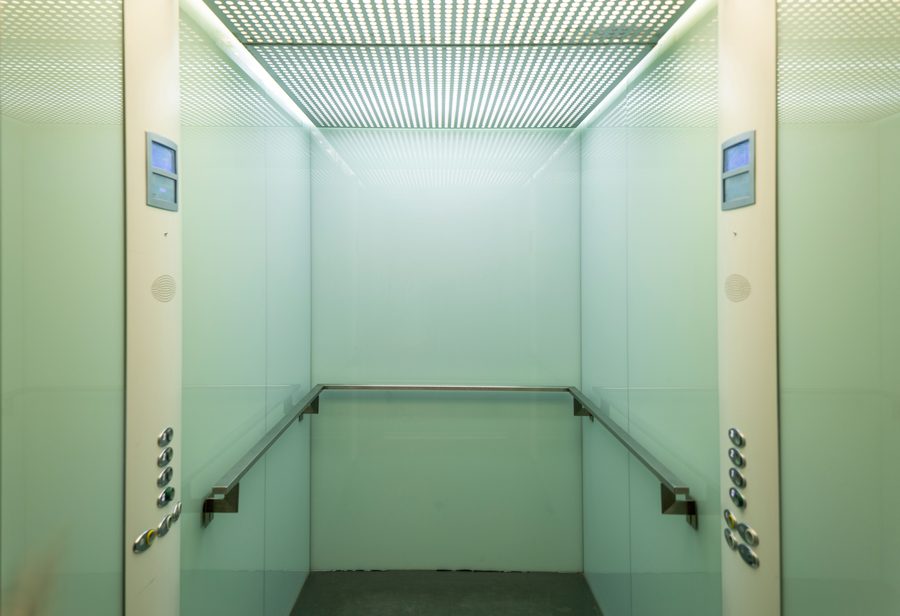
An elevator operating permit - also called a permit to operate, certificate of operation, or certificate of compliance and operation depending on the jurisdiction - is paperwork permission from the authority having jurisdiction to keep a conveyance in service. An alteration or installation permit is the separate authorization a licensed contractor must hold before modernizing or installing a unit. Neither document is the periodic inspection certificate posted for the safety test cycle.
The same building often carries two elevator-related clocks. Periodic inspection certificates, Category tests, and service cadence live on elevator inspection. This page owns operating-permit and alteration-permit issue and renewal dates - the permission documents themselves. Construction activity that is not conveyance-specific may also sit on building permit. (General information only - Remindax is not an AHJ. Confirm with your state or municipal elevator authority. See Sources.)
Remindax tracks elevator operating, certificate-of-operation, and alteration permit issue, expiration, and renewal dates you log and sends reminders. It does not apply for permits, schedule AHJ inspections, issue certificates, or interpret ASME A17.1 for your site. Keep periodic inspection and safety-test dates on elevator inspection; keep general construction close-out on building permit.
1. What is elevator permit tracking?
Elevator permit tracking, in the Remindax sense, means holding each conveyance's operating permit or certificate of operation issue date, expiration or renewal due date, any alteration or installation permit end or completion window, and the owner responsible for renewing - then reminding that owner before the permission lapses. Across North America the technical baseline is usually ASME A17.1/CSA B44, but the permission document is issued and renewed by the state elevator board, labor department, or municipal AHJ - not by ASME. Names vary (Permit to Operate, Certificate of Operation, Certificate of Compliance and Operation, annual operating permit), yet they are all paperwork permission clocks, not the inspection report itself.
1.1 Four clocks on one elevator-permit book
Issue / effective date
When the AHJ issued the current operating permit or certificate of operation for that conveyance.
Expiration / renewal due
Often annual (anniversary of issue or of the prior passed inspection); some AHJs allow longer terms under conditions. Always use the date on your permit or invoice.
Alteration / installation permit
Modernization and new installs commonly need a separate permit before work starts, with an approval or completion window that is not the same as the annual operating renewal.
AHJ invoice / fee window
Many jurisdictions mail or email a renewal invoice after inspection or on a fixed calendar; unpaid fees can block issuance or cancel the permit.
That multi-date shape is why teams already using certification tracking software still need a dedicated elevator-permit row: the periodic inspection certificate renews on the inspection and test cycle; the operating permit renews as a permission document. Keep inspection certificates and Category-test dates on elevator inspection, non-conveyance construction on building permit, and fire operational renewals on fire permit.
2. How long is an elevator operating permit typically valid?
Many jurisdictions renew annually - often tied to a passed periodic inspection and payment of a certificate or PTO fee. Wisconsin, South Carolina, and Minnesota educational materials describe annual operating or certificate renewals; California's Permit to Operate is generally not issued for more than one year (with a limited two-year path under a qualifying full-maintenance contract).
Some cities invoice on anniversary of issue; others batch renewals (for example, New Castle County mails Elevator Renewal Statements every June). Lead time before expiry for scheduling inspection and paying fees also varies.
Separate from the annual operating permission. Several states require a permit before installing or altering a conveyance; temporary construction operating certificates can be short (for example, sixty days in South Carolina's materials). Track the alteration permit's approval and completion window so work does not start - or linger - without permission.
Remindax holds the dates you record. Confirm adopted ASME edition, fees, posting rules, and reinstatement with your elevator AHJ.
Across a multi-site portfolio, one tower may renew PTOs on anniversary, another city may batch certificates each summer, and a third site may hold an open alteration permit while modernization runs. Flattening those into one "elevator" column is how the operating permission lapses while the inspection certificate in the car still looks current - or the reverse.
Passing a periodic inspection does not automatically renew every AHJ's operating permit until fees are paid and the certificate is issued. Renewing the permit does not replace Category tests or routine servicing. Keep inspection and service dates on elevator inspection; keep operating and alteration paperwork dates here.
3. Why tracking elevator permits matters
Missed elevator-permit renewals create shutdowns, late fees, and re-application work - not just a filing gap:
Permission can be revoked or locked out
Expired PTOs and unpaid certificate fees can take a car out of service. Some AHJs lock out conveyances or issue orders prohibiting use for non-payment or non-compliance.
Alteration without a permit is a violation
Starting modernization before an alteration or install permit is approved can stop the job and trigger penalties - separate from whether the annual operating certificate is current.
Owner of record vs day-to-day manager
Renewal invoices often go to the tax owner of record. Property managers who do not share that mailbox miss the fee window even when the unit is well maintained.
Portfolio sprawl across AHJs
Each state or city can use different names, renewal calendars, invoice lead times, and alteration rules - hard to hold by memory across sites.
Staged alerts separate orderly renewals from a scramble when a late invoice arrives or a car is ordered out of service. Teams using compliance tracking usually fold elevator operating permits into the same premises register - separate from inspection certificates and building-construction permits.
4. Who needs to track elevator permits
Anyone accountable for keeping conveyances legally permitted to operate feels this:
Building & site managers
Annual operating-permit and certificate renewals per car - the person who posts the permit and pays the AHJ invoice.
Asset & portfolio managers
Multiple buildings, multiple AHJs, and owner-of-record mail that must reach the on-site team in time.
Modernization leads
Alteration and installation permit approvals and completion windows beside the contractor's schedule.
Multi-site compliance leads
One register when elevator-permit dates sit beside other recurring premises obligations.
Compliance tracking5. What happens when an elevator permit lapses
Elevator-permit failures show up as canceled permission, lock-outs, and stopped modernization - not as a missed Category-5 test form alone:
- !Missed annual renewal - late fees apply, and some AHJs will not issue or post the new certificate until inspection evidence and payment clear; expired permission can take the car out of service.
- !Unpaid invoice after a pass - the inspection may be clean while the operating permit still lapses because the certificate fee was never paid.
- !Alteration without approval - work started before an install or alteration permit is approved can stop the job and require reapplication.
- !Permit not posted - even a renewed Permit to Operate can fail a check if the current document is not displayed as the AHJ requires (often inside the car or in the machine room).
An expired periodic inspection certificate and a lapsed operating permit are related but not identical clocks. Fix inspection and Category-test gaps on the elevator inspection track; fix operating and alteration permission with the elevator AHJ's permit desk. General construction inactivity and close-out still belong on building permit.
6. How Remindax tracks elevator permits
Remindax is built for dated permissions that renew on AHJ calendars and alteration windows - beside inspection certificates, but not the same clock:
Every permit in one dashboard
Operating permits, certificates of operation, and alteration or installation permits per conveyance - with issue, expiry, and status at a glance.
Staged renewal reminders
Email, SMS, and WhatsApp alerts before AHJ expiry and before alteration-permit completion windows - while there is still time to renew or reapply.
Multi-location AHJ calendars
Anniversary renewals, municipal batch invoices, and one-off alteration permits together - instead of one spreadsheet per city.
Audit-ready history
Keep a dated record of when each reminder fired and when the renewal was marked handled for owners, insurers, or AHJ questions.
Remindax tracks the dates - it does not obtain permits, inspect conveyances, or speak for the elevator AHJ. Keep periodic inspection certificates and safety-test dates on elevator inspection, and construction inactivity or close-out on building permit.
Remindax is GDPR-ready on AWS secure cloud with encrypted storage, so elevator-permit registers can sit beside other premises calendars.
7. Why spreadsheets fail for elevator permit tracking
A single "elevator compliance" column looks sufficient until an annual PTO renewal, a June municipal batch invoice, and an open alteration permit land in the same quarter. Spreadsheets also blur operating permits with inspection certificates and building permits, so teams chase the wrong desk.
An overlooked renewal is an access and operations risk - a car ordered out of service hits every floor above it. Automated tracking holds the permission clocks and reminds owners before each closes.
- xOne "elevator" column that mixes operating permits with inspection certificates
- xNo prompt when the AHJ invoice or fee window is closing
- xAlteration-permit end dates treated like annual operating renewals
- xMultiple cities updating conflicting copies
- xGap surfaces only when the car is locked out or the inspector asks for the posted permit
- ✓Separate fields for issue, expiry, and alteration-permit windows
- ✓Staged reminders before each hard AHJ date
- ✓Elevator-permit register kept distinct from inspection and construction clocks
- ✓Email, SMS, and WhatsApp to permit owners
- ✓Dated history ready for AHJ, insurer, and audit reviews
8. Key takeaways
- ✓Elevator operating permits and certificates of operation are AHJ paperwork permissions - issue and renewal dates, not periodic inspection certificates.
- ✓Terms are often about 12 months (sometimes longer under conditions); alteration and installation permits run on separate approval and completion clocks.
- ✓Periodic inspection certificates, Category tests, and service cadence belong on elevator inspection - a different job-to-be-done.
- ✓Construction inactivity and close-out for non-conveyance work belong on building permit; fire operational renewals on fire permit.
- ✓Remindax tracks dates and sends reminders - it does not obtain permits or replace your elevator AHJ.
9. Frequently Asked Questions
Log the issue date, AHJ expiration or renewal due date, any alteration or installation permit completion window, and permit type (operating vs alteration). Add location, conveyance or permit number, and owner so the reminder reaches the right person.
Many jurisdictions renew annually after a passed inspection and fee payment; some allow longer terms under conditions such as a qualifying full-maintenance contract. Alteration and temporary construction operating certificates often run for a shorter fixed window. Use the dates on your permit or AHJ portal.
No. This page owns AHJ operating, certificate-of-operation, and alteration permit paperwork renewals. Periodic inspection certificates, Category tests, and service cadence belong on the elevator inspection page - a different job-to-be-done.
Building permits authorize construction and stay alive through inspections and close-out. Elevator operating permits authorize ongoing conveyance use; alteration permits authorize conveyance modernization or install work under the elevator AHJ. Keep construction clocks on building permit; keep conveyance permission renewals here.
No. Remindax tracks the dates you log and sends Email, SMS, and WhatsApp reminders. Applications, fees, inspections, and code interpretation stay with your organization and the elevator AHJ.
Facilities, property management, capital-projects leads, and multi-site compliance often share accountability. Split ownership with no shared reminder system is the failure mode - Remindax gives each permit a dated owner and staged alerts.
Yes - hold issue, expiry, and alteration-permit windows for every operating or certificate-of-operation permit by location and conveyance, each with its own reminders.
Yes - a forever-free plan, no credit card required.
Sources & References
This page summarizes public AHJ and model-code educational material on elevator operating and alteration permits; it is not legal advice and not an elevator-authority determination. Remindax is not an AHJ. Confirm adopted ASME editions, amendments, fees, posting rules, and renewal procedures with your local elevator authority.
- *ASME - A17.1 / CSA B44 Safety Code for Elevators and Escalators (technical baseline adopted by many AHJs)
- *California DIR / Cal/OSHA Elevator Unit - Elevator Permits (Permit to Operate; one- and two-year terms)
- *Wisconsin DSPS - Information for Owners (Permit to Operate renewal and posting)
- *South Carolina LLR - Elevator Certificates of Operation and permits to install or alter
- *Minnesota DLI - Elevator permits and annual operating permits
- *City of Miami - Obtain an Annual Elevator Certificate (Certificate of Operation pathway)
- *New Castle County, DE - Elevator Certificate of Compliance and Operation renewal FAQs
Never let an elevator permit renewal slip
Track elevator operating, certificate-of-operation, and alteration permit issue and renewal dates - automatically.
GDPR-ready | AWS secure cloud | Encrypted storage | Setup in under 5 minutes