
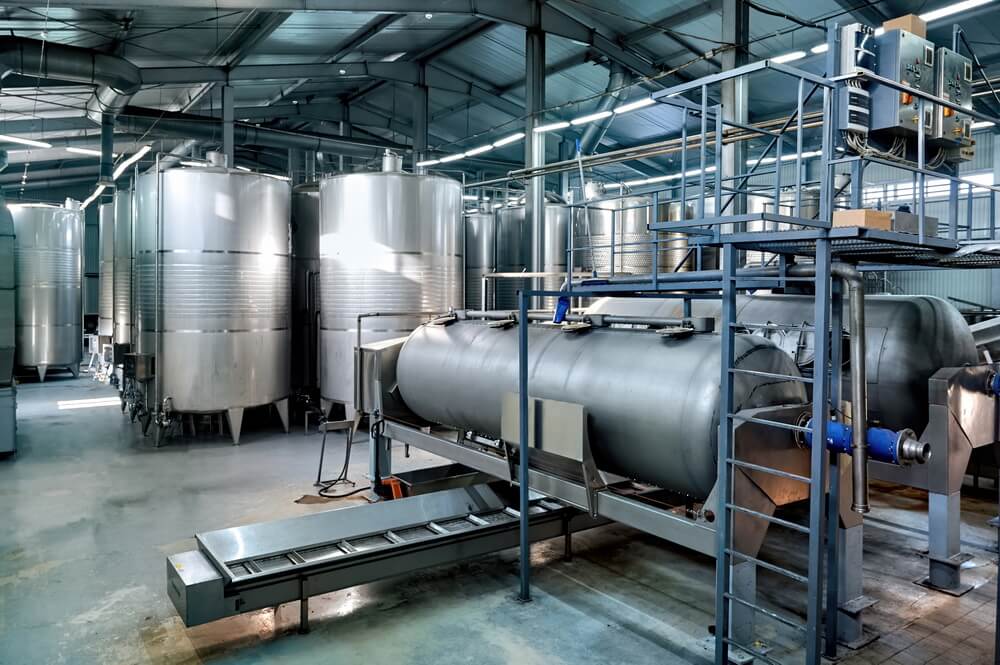
Boiler inspection is the one facility deadline where your insurer is often standing right next to the regulator. In much of the country the inspector who signs off on a boiler works for the equipment-breakdown insurer, which means the inspection isn't only about the certificate to operate — it's tied to whether the coverage behind a very expensive, very dangerous piece of equipment stays in place.
And it isn't one inspection either: there's an external inspection performed while the vessel is running, and a more thorough internal inspection that requires shutting it down, each on its own cycle. Miss either and the certificate to operate can lapse, the vessel can be ordered out of service, and the coverage conversation gets complicated — all for equipment whose failure mode isn't a gradual problem but a catastrophic one. Here's how boiler and pressure-vessel inspection works, and how to keep every date current.
1. What a boiler inspection is
Boiler and pressure-vessel inspection is the periodic examination that confirms a vessel is safe to operate under pressure. Depending on the jurisdiction, it's carried out by a state or municipal inspector or by a commissioned inspector employed by the equipment-breakdown (boiler & machinery) insurer — which is why the inspection and the insurance are often linked. Passing renews the vessel's certificate or permit to operate. Remindax helps you track the inspection and certificate dates for every vessel and reminds you before each; it doesn't inspect, service equipment, issue certificates, or advise on insurance.
What sets this document apart isn't that a machine gets inspected — plenty of building systems do. It's who drives the inspection and how it's structured. A fire marshal or an elevator inspector answers to the jurisdiction alone. A boiler inspector, in much of the country, answers to the company that insures the vessel against the exact failure the inspection exists to prevent. That single fact reshapes the deadline: the vessel is entangled with its coverage, and the coverage is entangled with the inspection.
1.1 Who inspects, and what it produces
Requirements are set locally and by vessel type, so confirm what applies to the equipment you actually operate. Broadly, four things sit behind a current certificate to operate:
The external inspection
Performed with the vessel in service, commonly annual in many jurisdictions. It's the routine check that keeps the certificate current between the deeper examinations.
The internal inspection
Requires taking the vessel out of service and opening it up, on a longer cycle than the external check — which is exactly what makes it something to plan for rather than react to.
Who performs it
A state or municipal inspector, or a commissioned inspector employed by the equipment-breakdown insurer. Which one depends on the jurisdiction and how the vessel is insured.
The certificate to operate
The document authorizing the vessel to run under pressure, renewed when it passes inspection. The equipment operates under it, and it lapses when the inspection behind it does.
This is the structural oddity of boiler compliance, and it separates it from almost every other statutory inspection a site carries. Where the equipment-breakdown insurer supplies the commissioned inspector, the inspection isn't only a regulatory event — it's the insurer looking at the asset it stands behind. A missed or failed inspection can therefore touch two things at once: the certificate to operate, and the coverage on the single piece of equipment most capable of producing a catastrophic, expensive claim. That's a very different risk profile from a fire-alarm test or an elevator certificate, where a lapse is a compliance problem and nothing more. With a boiler, the compliance deadline and the insurance relationship share a date.
2. How often do boilers need inspecting?
Performed while the vessel is in operation, commonly annual in many jurisdictions — the routine check that keeps the certificate current.
Requires shutdown and opening the vessel, on a longer cycle — measured in years rather than months for many vessel types.
Renewed on inspection; the vessel runs under it, and it's only as current as the inspections behind it.
Every boiler or pressure vessel carries its own schedule. Two vessels in one plant room are two sets of dates, not one.
Intervals are set locally — by jurisdiction, by vessel type, and by service conditions — so read the figures above as the shape of the problem rather than the rule for your equipment, and confirm each vessel's interval with the authority or insurer that inspects it.
The internal inspection is the one that needs planning: it requires taking the vessel out of service, so it has to be scheduled around operations well in advance — which is exactly why the date needs to be visible early. An external check can often be slotted into a working week. An internal inspection means a heating plant that has to come down in a way tenants or a production line will feel, and it can't be arranged the week the reminder finally surfaces. The gap between "we should book this" and "the vessel is offline and open" is measured in months, and only the site has any reason to be counting it.
3. Why tracking boiler inspection dates matters
Four things make a boiler's dates harder to hold on to than the length of an interval suggests.
The certificate to operate depends on it
A lapsed inspection means a lapsed certificate, and the vessel can be ordered out of service — shutting down heat, hot water, or process steam for everyone downstream of it.
Internal inspections need planning
Because they require shutdown, internal inspections have to be scheduled around production or building operations months ahead — a deadline you have to see coming, not one you can absorb late.
Insurance is entangled
Where the insurer's inspector performs the inspection, a missed or failed inspection can affect equipment-breakdown coverage, not just compliance — on the asset most likely to produce a large claim.
The failure mode is catastrophic
Pressure vessels don't fail gradually; the inspection regime exists because the consequences of failure are severe. That's why the dates are strict — and why nobody wants to discover a gap after the fact.
Read those together and the case is specific to this document: a boiler carries a deadline that's simultaneously a safety obligation, an operating condition, and an insurance touchpoint, with one half of it requiring a planned shutdown. That's why the dates belong in the same register as every other regulated date a site holds rather than in a folder per contractor — the practical argument for keeping them in compliance tracking software rather than scattered across inspection reports and renewal notices.
4. Who needs to track boiler dates
The same vessel means something different depending on who's holding the calendar. Five roles carry these dates most often:

Facilities managers
Every vessel's external and internal inspection dates and its certificate to operate, per building — usually the person who books the inspector and has to arrange the shutdown around everyone else.
Learn More
Plant & manufacturing operations
Process boilers and pressure vessels on the production floor, where an internal inspection is a planned outage and the process steam the line runs on stops with the certificate.
Learn More
Property managers
Building heating plant across a portfolio, where each building's boiler was commissioned at a different time and every certificate to operate renews on its own calendar.
Learn More
Health & safety leads
Pressure equipment as part of the safety program, sitting next to the statutory checks and worker training the same team is already accountable for.
Learn More
Compliance teams
Operating certificates alongside every other obligation the business carries — tracked as dates to keep current, not governed as a risk framework.
Learn MoreWhat these roles share isn't the equipment. It's that a boiler's deadline can't be handled at the last minute the way a form renewal can — the internal inspection has to be booked around operations, and the consequences of missing it reach past compliance into heat, production, and coverage. The site is the only party with a reason to see every vessel's cycle at once.
5. What happens when a boiler inspection is missed
When a boiler's inspection slips, the certificate to operate goes with it — and a vessel operating without a valid certificate can be ordered out of service. For a building, that can mean losing heat or hot water; for a plant, it can mean losing the process steam the line runs on, which stops production rather than inconveniencing it. Because the internal inspection requires a shutdown, a facility that discovers the date late has no good options: either scramble to take the vessel offline unplanned, or run past the deadline.
And where the inspection is performed by the equipment-breakdown insurer's commissioned inspector, a missed or failed inspection can complicate coverage on the very asset most likely to produce a large claim. Behind all of it is the reason the regime is strict in the first place — pressure-vessel failure is catastrophic, not gradual. Tracking both inspection cycles and the certificate, per vessel, is what keeps the equipment running, covered, and safe.
The way back into service isn't symmetrical with the way out. A lapsed external check might be recoverable quickly, but the internal inspection needs the vessel cold, drained, and opened — and that outage has to be planned around the heat or steam it supplies. So a date discovered late doesn't just risk the certificate; it risks either an unplanned shutdown at the worst possible moment or a stretch of running out of compliance while an outage is arranged. The lapse happens on a date you could have seen coming months in advance. The recovery happens on a timetable set by a shutdown you now have to force through.
None of this requires negligence. It usually starts with something administrative — a building acquired mid-cycle with its vessel dates undocumented, an insurer's inspector who used to prompt the booking and no longer does, or an internal inspection on a multi-year cycle that simply fell off everyone's horizon. The boiler keeps running throughout, which is precisely why nothing forces anyone to check. It's the same quiet failure mode as any long-interval obligation, and it sits close to the other asset clocks on the same equipment — the equipment warranty that a missed service can void, and the plant permits that renew in the background.
6. How Remindax keeps every vessel certified
Remindax handles the part of this that's a dates problem: what each vessel's certificate expiry is, when its external and internal inspections fall due, and telling the right people early enough to plan around them.
Every vessel's dates in one dashboard
External and internal inspection due dates plus the certificate to operate, held per vessel and per location, with status at a glance — so a portfolio is one view rather than a round of calls. Pairs with the Equipment and Locations asset profiles.
Long-lead reminders for internal inspections
Because a shutdown has to be planned, set early staged alerts — for example 6, 3, and 1 months ahead — alongside external and certificate reminders, by Email, SMS, and WhatsApp.
Multi-vessel, multi-site view
Several vessels across several buildings, each on its own external and internal cycle — organized by location, so a plant with a dozen vessels reads as a dozen records rather than one blurred entry.
Audit-ready records
Export inspection and certificate history for the jurisdiction or the insurer — the evidence trail kept where the dates already live, ready when someone asks to see it.
Boiler dates rarely arrive on their own. Where the same sites also carry the operating approvals that keep a plant legally running, the wider picture is set out on the permit tracking software page — the boiler certificate held in one register beside every other authorization the site depends on.
Remindax tracks the dates and reminds you. It doesn't inspect boilers, service equipment, issue certificates, or advise on insurance. The inspection is done by the jurisdiction or the insurer's commissioned inspector, and coverage is handled by your insurer or broker — Remindax makes sure neither of their deadlines passes without you knowing it was coming.
7. Why spreadsheets fail for boiler inspection tracking
Two inspection cycles per vessel, one of which requires planning a shutdown, across multiple vessels and buildings — that's a schedule a spreadsheet holds only until the first time it matters. It won't give facilities the months of lead time an internal inspection needs, won't distinguish the vessel due for an external check from the one due to be opened up, and won't keep the certificate to operate next to the inspection that renews it.
It also can't tell you anything until someone opens it, which is the wrong shape for a deadline whose recovery is measured in months. A row that quietly turned red in spring is worth nothing to a shutdown that needed booking last winter. An automated system holds both cycles per vessel and reminds the right people early enough to plan the outage — so no boiler runs past its certificate and no shutdown is a surprise.
Starting from a spreadsheet today? Begin with our free elevator, boiler & pressure-vessel inspection tracker — hold each vessel's external and internal cycles and certificate to operate beside elevator certificates, then import into Remindax when you're ready to automate Email, SMS, and WhatsApp reminders with long-lead alerts for shutdown inspections. Date and status focused — does not inspect equipment or issue certificates.
- ✗Holds one date per vessel, not the separate external and internal cycles
- ✗No lead time for a shutdown that has to be planned months ahead
- ✗Keeps the certificate to operate apart from the inspection that renews it
- ✗Goes stale as vessels are added and buildings change hands mid-cycle
- ✗Consulted only after a date has already passed
- ✓External inspection, internal inspection, and certificate held together, per vessel
- ✓Long-lead staged alerts so a shutdown can be scheduled in time
- ✓Every vessel in every building on its own cycles, visible at once
- ✓The certificate document attached to the dates it depends on
- ✓Reminders by Email, SMS, and WhatsApp, with exportable records
8. Key takeaways
- ✓Boiler and pressure-vessel inspection confirms a vessel is safe to operate and renews its certificate to operate.
- ✓Inspections come in two types on different cycles: external while operating, and internal requiring shutdown.
- ✓In many jurisdictions the inspector works for the equipment-breakdown insurer, linking inspection to coverage.
- ✓A lapse can take the vessel out of service — losing heat, hot water, or process steam — and complicate insurance.
- ✓Tracking both cycles and the certificate per vessel, with long lead time for internal inspections, keeps equipment running and covered.
Never run a vessel past its certificate
Track every boiler inspection and certificate date — automatically. Hold each vessel's external and internal cycles and its certificate to operate in one place, with long-lead reminders before each one falls due, so no vessel runs out of compliance and no shutdown is a surprise.
GDPR-ready · AWS secure cloud · Encrypted storage · Setup in under 5 minutes
9. Frequently Asked Questions
Typically an external inspection while in operation (commonly annual) and a more thorough internal inspection on a longer cycle requiring shutdown - exact intervals vary by vessel type and jurisdiction.
An external inspection is performed with the vessel in service; an internal inspection requires taking it offline and opening it up, so it needs to be planned around operations.
Depending on the jurisdiction, a state or municipal inspector or a commissioned inspector employed by the equipment-breakdown insurer - which is why inspection and insurance are often linked.
The document authorizing a boiler or pressure vessel to be operated, renewed when it passes inspection.
The certificate can lapse and the vessel be ordered out of service - potentially cutting heat, hot water, or process steam - and it can complicate equipment-breakdown coverage.
No - Remindax tracks the inspection and certificate dates and reminds you. Inspection is done by the jurisdiction or insurer's inspector; coverage is handled by your insurer or broker.
Yes - each vessel's internal and external inspection dates and certificate in one place, each with its own reminders.
Yes - a forever-free plan, no credit card required.
Not Ready for Software? Start with a Free Spreadsheet
Download the matching Excel template, populate it with your data, and switch to Remindax when you outgrow it.